


Is MSM Good in Skincare?
Release time:
2025-08-14
In recent years, MSM (Methylsulfonylmethane) has moved from the dietary supplement market into the skincare industry. For cosmetic brands, formulators, and ingredient buyers, MSM offers both functional benefits and strong market positioning potential.
What is MSM in Skincare?
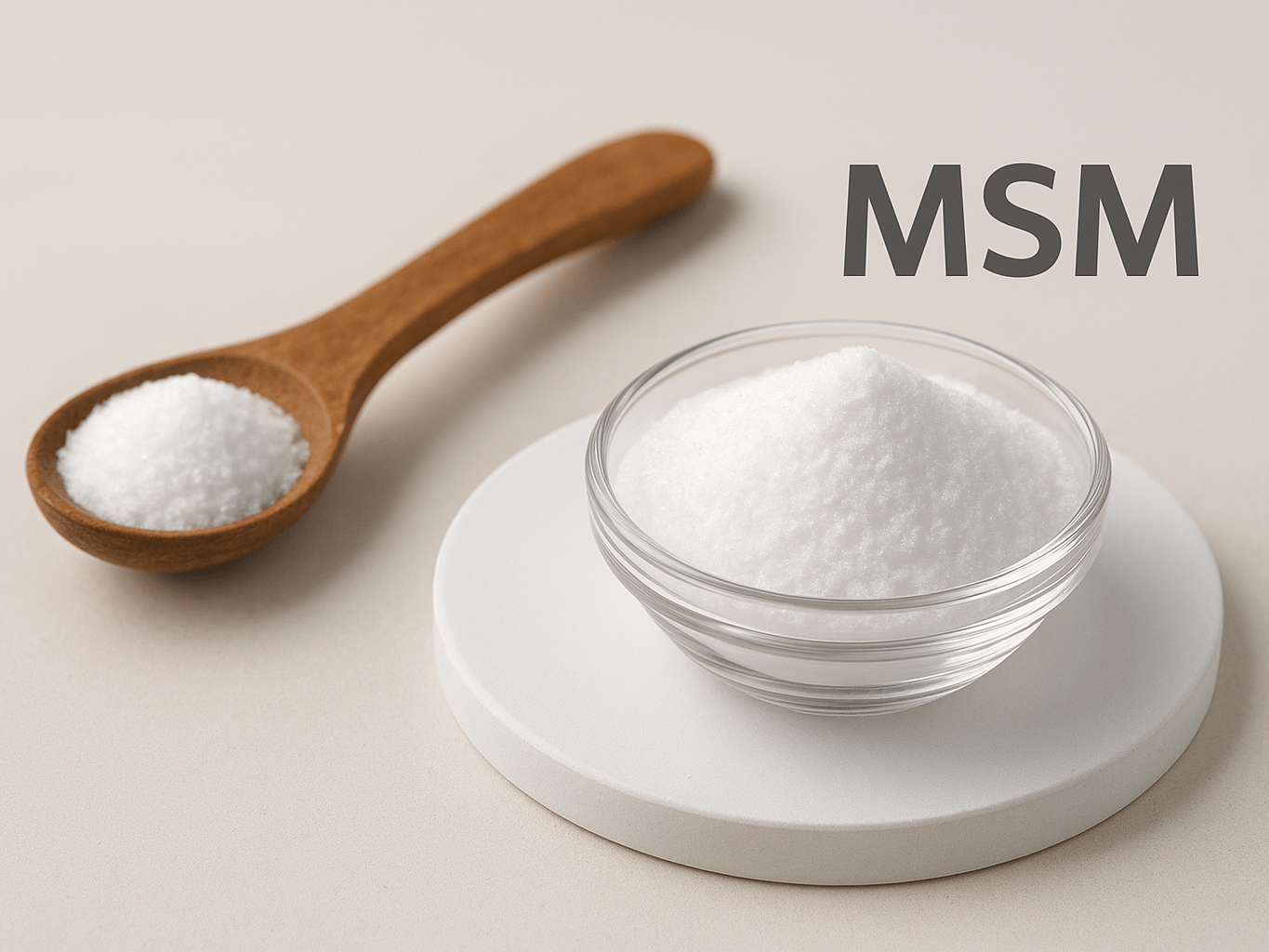
MSM is an organic sulfur compound found naturally in fruits, vegetables, and the human body. As a cosmetic grade MSM ingredient, it is valued for supporting skin structure, improving barrier health, and enhancing the performance of other actives.
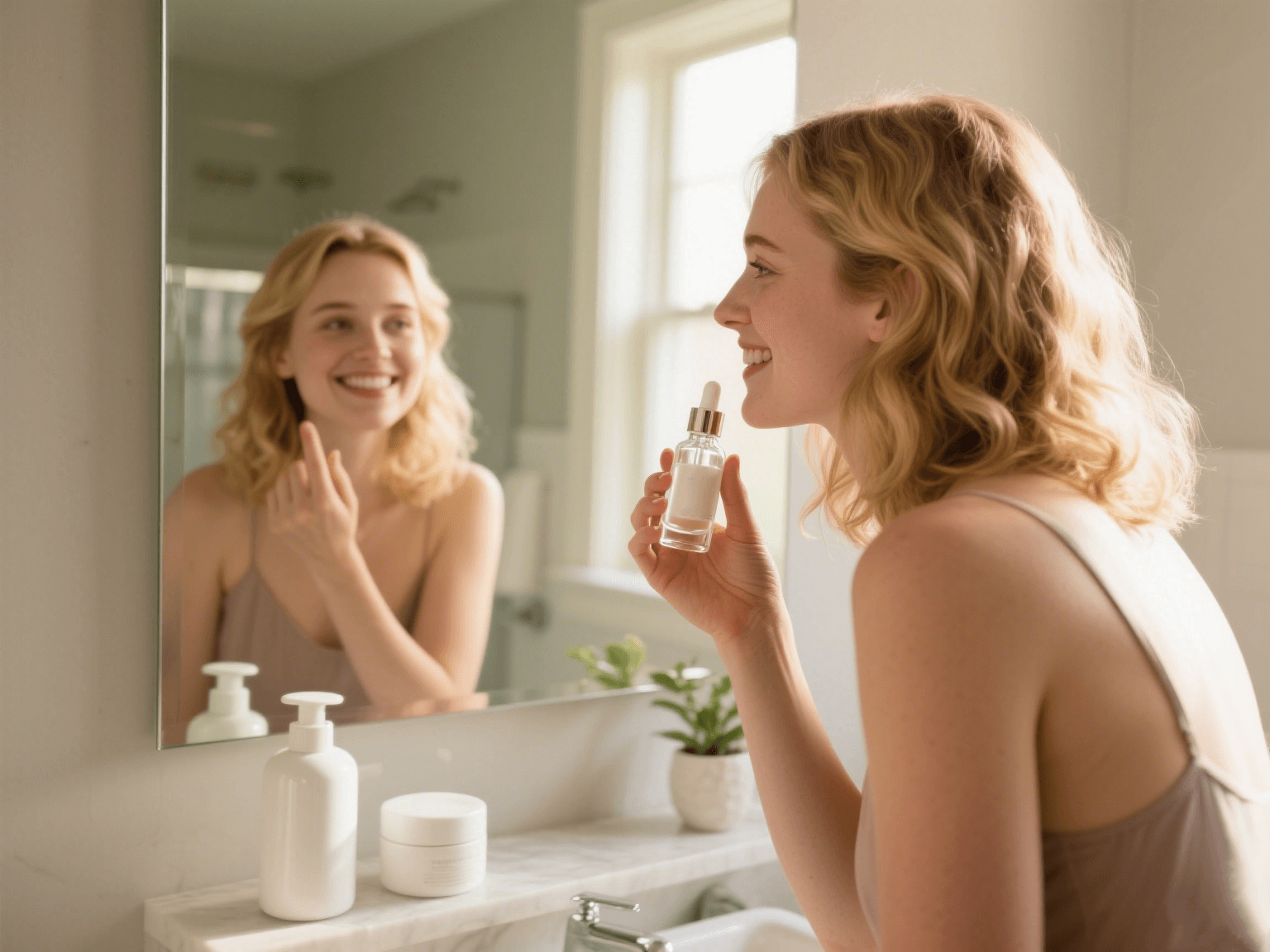
Key Benefits of MSM for Skin
Skin Soothing
MSM can calm visible redness and discomfort, making it suitable for sensitive-skin formulations.
Collagen Support
Sulfur in MSM is essential for collagen production, helping to keep skin firm, smooth, and youthful — aligning with anti-aging skincare claims.
Enhanced Ingredient Delivery
MSM can improve the absorption of other active ingredients, allowing serums and creams to work more effectively.
Hydration and Barrier Care
By supporting the skin barrier, MSM helps maintain moisture balance and long-term comfort.
MSM Applications in Cosmetic Formulation
MSM skincare formulations can include serums, facial creams, masks, and after-sun repair products. It is versatile for anti-aging, soothing, and repair-focused lines, offering a competitive edge in product development.
MSM Safety and Stability
At standard cosmetic concentrations, MSM is safe, non-irritating, and suitable for all skin types. Its stability also makes it easy to integrate into different formulation systems.
Conclusion
MSM for skincare is a versatile, science-backed ingredient that delivers real benefits while strengthening product marketing stories.
At Focusfreda, we are a professional MSM supplier offering high-purity cosmetic grade MSM with consistent quality and reliable delivery. Contact us to explore how MSM can bring performance and value to your next skincare project.
BLOGS

Will Sodium Hyaluronate Clog Pores?
Will sodium hyaluronate clog pores? Learn why it’s usually non-comedogenic, what causes breakouts in HA products, and how acne-prone skin can use it correctly—plus why high-quality manufacturing standards matter.

Sodium Hyaluronate in Lipstick: Hydration Hero or Marketing Hype?
Hyaluronic Acid Lipstick: hydration hero or hype? Learn why water-soluble sodium hyaluronate struggles in waxy lipsticks—and how oil-dispersible HA can actually help.

Can Low Molecular Weight Sodium Hyaluronate Really Penetrate the Skin?
Can low molecular weight sodium hyaluronate penetrate the skin? This science-based guide explains how molecular weight affects skin interaction, hydration, and epidermal penetration.

What is Sodium Hyaluronate Crosspolymer?
Discover what Sodium Hyaluronate Crosspolymer is and why skincare brands are increasingly using this advanced form of hyaluronic acid. Learn how it’s made, how it compares with regular HA, its long-lasting moisturizing benefits, and how to choose a reliable manufacturer like Focusfreda for high-quality Sodium Hyaluronate Crosspolymer.

Which Major Brands Use Hyaluronic Acid?
Learn which mainstream skincare, cosmetic, injectable, eye care, and health supplement brands use hyaluronic acid. Explore hyaluronic acid applications, top brands, and why this versatile ingredient is so popular worldwide. Reliable products stem from safe raw materials, making the selection of hyaluronic acid raw material manufacturers crucial.

Can Sodium Hyaluronate Be Used in Pet Care Products?
With the growing demand for pets' mobility, eye health, and grooming, Sodium Hyaluronate has become a key ingredient of interest. Partnering with reliable Sodium Hyaluronate (sodium salt form of hyaluronic acid) manufacturers helps create pet health products that the market trusts.