


Astaxanthin Benefits: The Small Molecule with Big Power
Release time:
2025-08-12
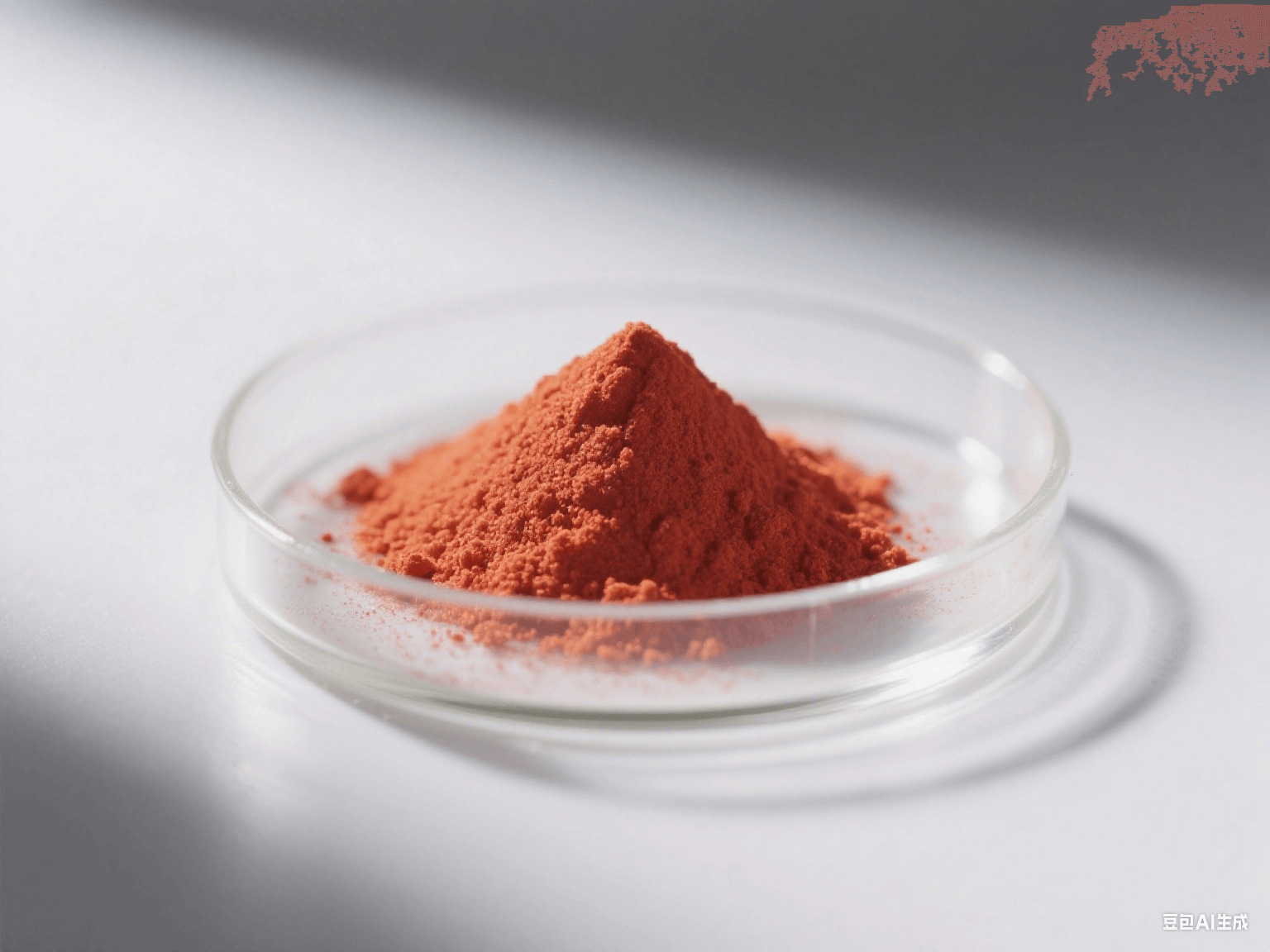
Astaxanthin is a bright red pigment found in microalgae (Haematococcus pluvialis), salmon, shrimp, and krill. Known as the “king of antioxidants,” it’s one of the most powerful natural compounds for protecting your cells. Studies show astaxanthin’s ability to fight free radicals can be up to 6,000 times stronger than vitamin C and 800 times stronger than CoQ10. Its unique structure lets it work both inside and outside cell membranes, giving full-spectrum protection.
Antioxidant Strength: A Shield for Your Cells
Free radicals are unstable molecules that damage cells, speed up aging, and increase disease risk. They form from sunlight, pollution, stress, and even normal metabolism. Astaxanthin can neutralize both water- and fat-soluble free radicals, acting like a 360° shield to protect your cells.
Eye Health in the Digital Age
Long hours on screens can lead to tired, dry, and blurry eyes. Research shows astaxanthin improves blood flow in the eyes, reduces fatigue, and helps them focus more easily. It may also protect against oxidative stress from blue light and UV rays, making it valuable for students, office workers, and drivers alike.
Skin Protection and Anti-Aging
UV rays not only cause sunburn — they damage collagen and trigger dark spots. Astaxanthin helps reduce these effects by protecting skin cell lipids and DNA. Some studies suggest it can smooth fine lines, improve elasticity, and support an even skin tone. Combined with sunscreen, it offers a powerful defense against premature aging.
Bottom Line
Whether you want to protect your vision, maintain youthful skin, or boost your body’s natural defenses, astaxanthin is a nutrient worth knowing. Choose quality sources and use the right dose to unlock its full benefits.
BLOGS

Will Sodium Hyaluronate Clog Pores?
Will sodium hyaluronate clog pores? Learn why it’s usually non-comedogenic, what causes breakouts in HA products, and how acne-prone skin can use it correctly—plus why high-quality manufacturing standards matter.

Sodium Hyaluronate in Lipstick: Hydration Hero or Marketing Hype?
Hyaluronic Acid Lipstick: hydration hero or hype? Learn why water-soluble sodium hyaluronate struggles in waxy lipsticks—and how oil-dispersible HA can actually help.

Can Low Molecular Weight Sodium Hyaluronate Really Penetrate the Skin?
Can low molecular weight sodium hyaluronate penetrate the skin? This science-based guide explains how molecular weight affects skin interaction, hydration, and epidermal penetration.

What is Sodium Hyaluronate Crosspolymer?
Discover what Sodium Hyaluronate Crosspolymer is and why skincare brands are increasingly using this advanced form of hyaluronic acid. Learn how it’s made, how it compares with regular HA, its long-lasting moisturizing benefits, and how to choose a reliable manufacturer like Focusfreda for high-quality Sodium Hyaluronate Crosspolymer.

Which Major Brands Use Hyaluronic Acid?
Learn which mainstream skincare, cosmetic, injectable, eye care, and health supplement brands use hyaluronic acid. Explore hyaluronic acid applications, top brands, and why this versatile ingredient is so popular worldwide. Reliable products stem from safe raw materials, making the selection of hyaluronic acid raw material manufacturers crucial.

Can Sodium Hyaluronate Be Used in Pet Care Products?
With the growing demand for pets' mobility, eye health, and grooming, Sodium Hyaluronate has become a key ingredient of interest. Partnering with reliable Sodium Hyaluronate (sodium salt form of hyaluronic acid) manufacturers helps create pet health products that the market trusts.