


Why Sodium Hyaluronate Can Be Used in Eye Drops?
Release time:
2025-08-22
Have you ever felt your eyes dry, itchy, or tired after a long day in front of a screen, in air-conditioning, or outdoors on a windy day? That uncomfortable feeling often means your eyes lack enough moisture. Eye drops can help—and one of the most effective ingredients in them is sodium hyaluronate. But why is it so suitable for eye care?
What is Sodium Hyaluronate?
Sodium hyaluronate is the salt form of hyaluronic acid, a natural substance found in skin, joints, and eyes. Its key ability is water retention—like a sponge, it holds many times its weight in water, keeping tissues hydrated.
Safe and Gentle for the Eyes
The eyes are very delicate, so eye drop ingredients must be mild. Sodium hyaluronate is biocompatible, meaning the body recognizes it as natural. It rarely causes irritation and is considered safe for daily use.
Long-Lasting Moisture
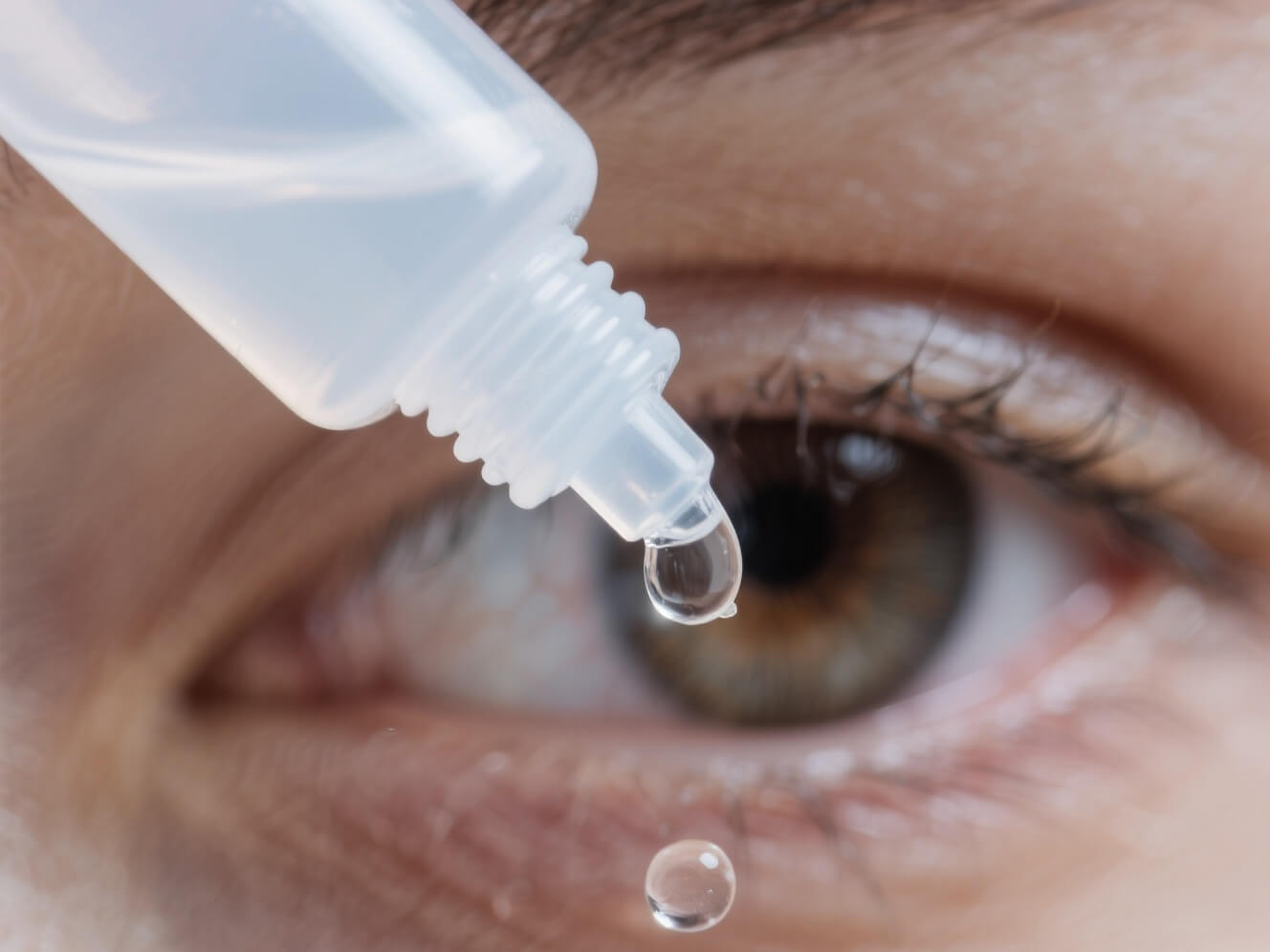
When used in eye drops, sodium hyaluronate forms a thin protective film on the eye surface. This helps prevent tears from evaporating too quickly and provides long-lasting relief from dry eye symptoms, compared to plain water-based drops.
Supporting Eye Health
By keeping the surface moist, sodium hyaluronate also supports the natural repair of eye cells. This is especially helpful for people with dry eye syndrome, contact lens users, or those recovering from certain eye treatments.
Widely Applied
Because it is safe, effective, and natural, sodium hyaluronate has become one of the most common ingredients in modern eye drops, offering both comfort and protection.
In Short
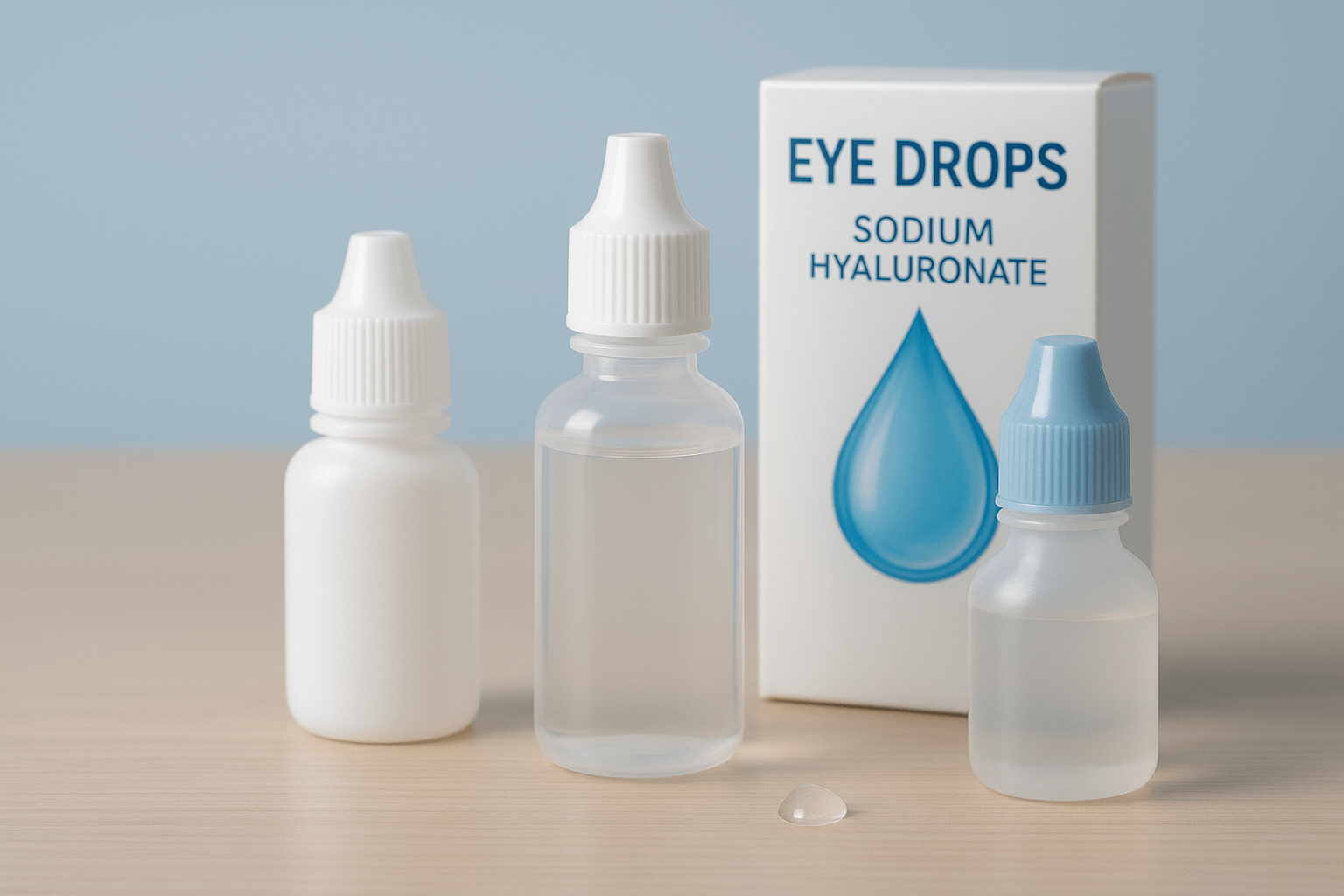
Sodium hyaluronate is used in eye drops because it hydrates, protects, and helps the eyes heal.
At the same time, Focusfreda is a professional manufacturer of pharmaceutical-grade sodium hyaluronate raw materials. The company has obtained multiple international certifications, ensuring safe and reliable supply for medical and eye-care applications.
BLOGS

Is Hyaluronic Acid Ingredient Good for Acne? Safe Hydration for Breakout-Prone Skin
Learn whether hyaluronic acid is good for acne-prone skin, if it clogs pores, how it supports the skin barrier, and how to pair it with retinoids, niacinamide, and BHA—plus routine tips and FAQs.

Will Sodium Hyaluronate Clog Pores?
Will sodium hyaluronate clog pores? Learn why it’s usually non-comedogenic, what causes breakouts in HA products, and how acne-prone skin can use it correctly—plus why high-quality manufacturing standards matter.

Sodium Hyaluronate in Lipstick: Hydration Hero or Marketing Hype?
Hyaluronic Acid Lipstick: hydration hero or hype? Learn why water-soluble sodium hyaluronate struggles in waxy lipsticks—and how oil-dispersible HA can actually help.

Can Low Molecular Weight Sodium Hyaluronate Really Penetrate the Skin?
Can low molecular weight sodium hyaluronate penetrate the skin? This science-based guide explains how molecular weight affects skin interaction, hydration, and epidermal penetration.

What is Sodium Hyaluronate Crosspolymer?
Discover what Sodium Hyaluronate Crosspolymer is and why skincare brands are increasingly using this advanced form of hyaluronic acid. Learn how it’s made, how it compares with regular HA, its long-lasting moisturizing benefits, and how to choose a reliable manufacturer like Focusfreda for high-quality Sodium Hyaluronate Crosspolymer.

Which Major Brands Use Hyaluronic Acid?
Learn which mainstream skincare, cosmetic, injectable, eye care, and health supplement brands use hyaluronic acid. Explore hyaluronic acid applications, top brands, and why this versatile ingredient is so popular worldwide. Reliable products stem from safe raw materials, making the selection of hyaluronic acid raw material manufacturers crucial.