


Breaking the Boundaries: Sodium Hyaluronate Now in Lipsticks and Powders
Release time:
2025-08-21
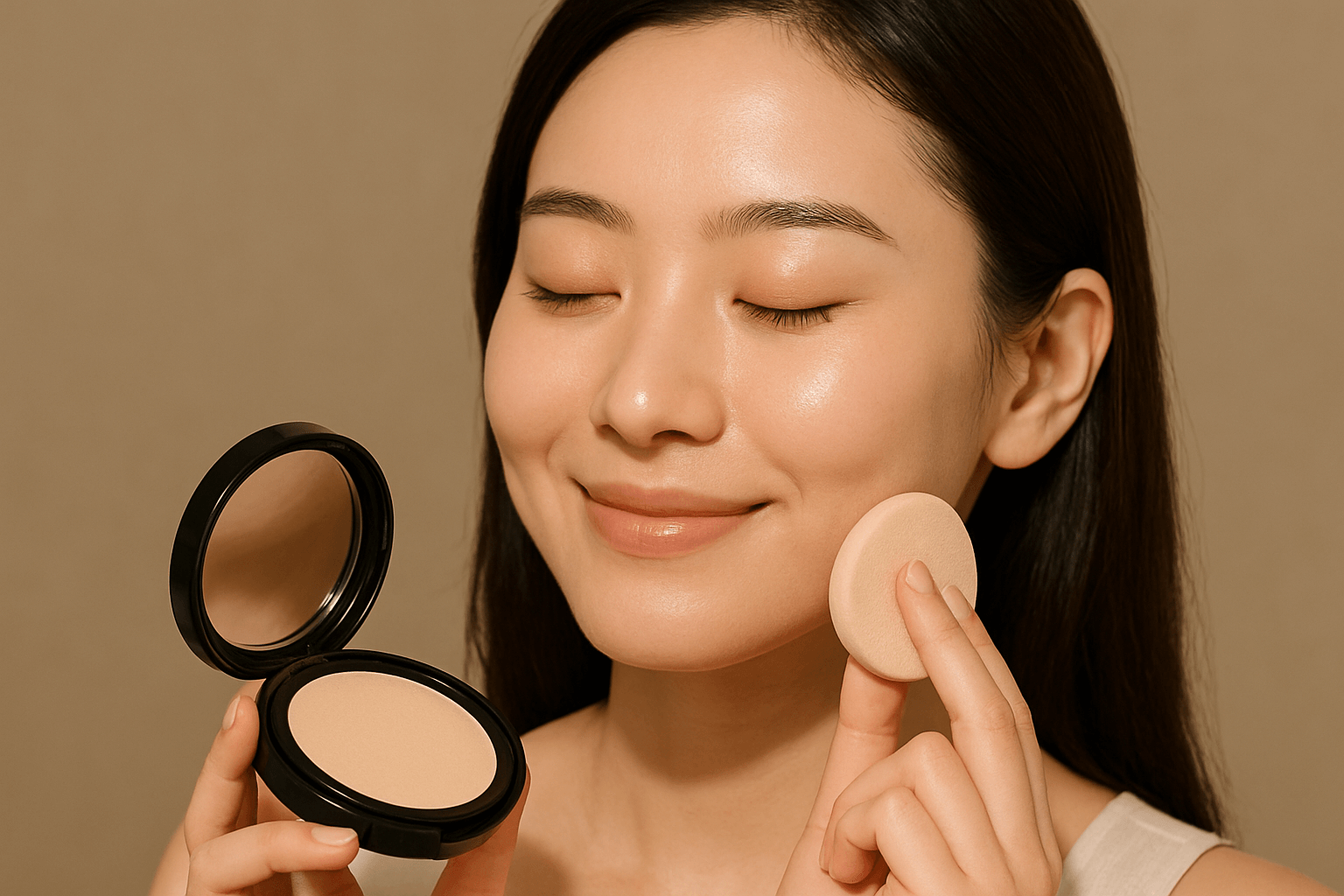
When most people think of sodium hyaluronate, they imagine skincare serums or hydrating creams. But today, this famous moisturizing ingredient is entering a whole new world—makeup products like lipsticks and pressed powders.
Why Sodium Hyaluronate in Makeup Matters
Traditional lipsticks and powders are oil-based or even completely water-free. While this makes them rich in texture, it often leads to dry lips or skin. Until recent years, adding sodium hyaluronate to makeup was almost impossible, since it dissolves in water, not oil.
That changed with Hyacharming® Oil-dispersed Sodium Hyaluronate. By binding ultra-small molecules of sodium hyaluronate with plant oils through a special process, it can now blend smoothly into oily and anhydrous formulas. This innovation opens the door for truly hydrating makeup.
Benefits for Lipsticks and Powders
Moisturizing power: With a high content of 27–33%, ultra-small sodium hyaluronate locks in water and prevents dryness caused by oil-based raw materials.
Longer-lasting makeup: It absorbs tiny amounts of sweat or hydrating spray, keeping lipstick and powder fresh for hours.
Stability in formulas: In solid cosmetics like moisturizing lipsticks and pressed powders, it helps distribute wax and oil evenly, reducing cracking during storage.
Smooth application: Thanks to its natural lubricity, lipsticks glide on easily, and powders feel silky on the skin.
A New Generation of Hydrating Makeup
With Hyacharming, beauty products no longer need to choose between rich color and comfort. Lipsticks can be bold yet moisturizing, while powders can provide coverage without leaving skin tight or flaky.
In short, oil-dispersed sodium hyaluronate is changing the rules of makeup. It’s not just a skincare superstar anymore—it’s redefining how we experience lipsticks and powders.
BLOGS

Will Sodium Hyaluronate Clog Pores?
Will sodium hyaluronate clog pores? Learn why it’s usually non-comedogenic, what causes breakouts in HA products, and how acne-prone skin can use it correctly—plus why high-quality manufacturing standards matter.

Sodium Hyaluronate in Lipstick: Hydration Hero or Marketing Hype?
Hyaluronic Acid Lipstick: hydration hero or hype? Learn why water-soluble sodium hyaluronate struggles in waxy lipsticks—and how oil-dispersible HA can actually help.

Can Low Molecular Weight Sodium Hyaluronate Really Penetrate the Skin?
Can low molecular weight sodium hyaluronate penetrate the skin? This science-based guide explains how molecular weight affects skin interaction, hydration, and epidermal penetration.

What is Sodium Hyaluronate Crosspolymer?
Discover what Sodium Hyaluronate Crosspolymer is and why skincare brands are increasingly using this advanced form of hyaluronic acid. Learn how it’s made, how it compares with regular HA, its long-lasting moisturizing benefits, and how to choose a reliable manufacturer like Focusfreda for high-quality Sodium Hyaluronate Crosspolymer.

Which Major Brands Use Hyaluronic Acid?
Learn which mainstream skincare, cosmetic, injectable, eye care, and health supplement brands use hyaluronic acid. Explore hyaluronic acid applications, top brands, and why this versatile ingredient is so popular worldwide. Reliable products stem from safe raw materials, making the selection of hyaluronic acid raw material manufacturers crucial.

Can Sodium Hyaluronate Be Used in Pet Care Products?
With the growing demand for pets' mobility, eye health, and grooming, Sodium Hyaluronate has become a key ingredient of interest. Partnering with reliable Sodium Hyaluronate (sodium salt form of hyaluronic acid) manufacturers helps create pet health products that the market trusts.