


Why PDRN is Becoming the 2025 Go-to Ingredient for Anti-Aging Skincare
Release time:
2025-09-24
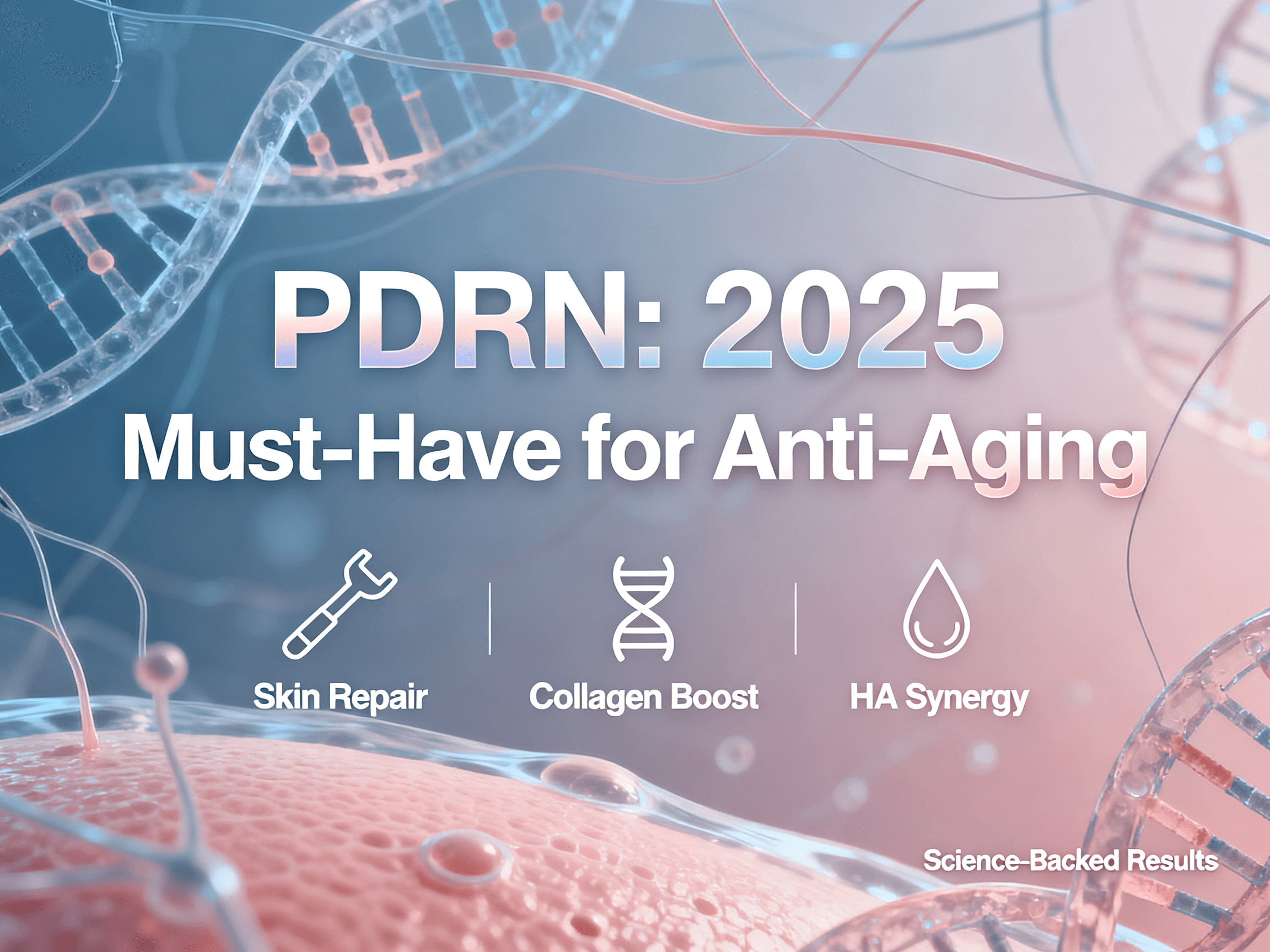
In 2025, one ingredient is creating a wave of excitement in the skincare industry: PDRN (Polydeoxyribonucleotide). Once limited to professional clinics in Korea, it is now appearing in everyday serums, creams, and masks—bridging the gap between medical aesthetics and home skincare.
What Exactly Is PDRN?
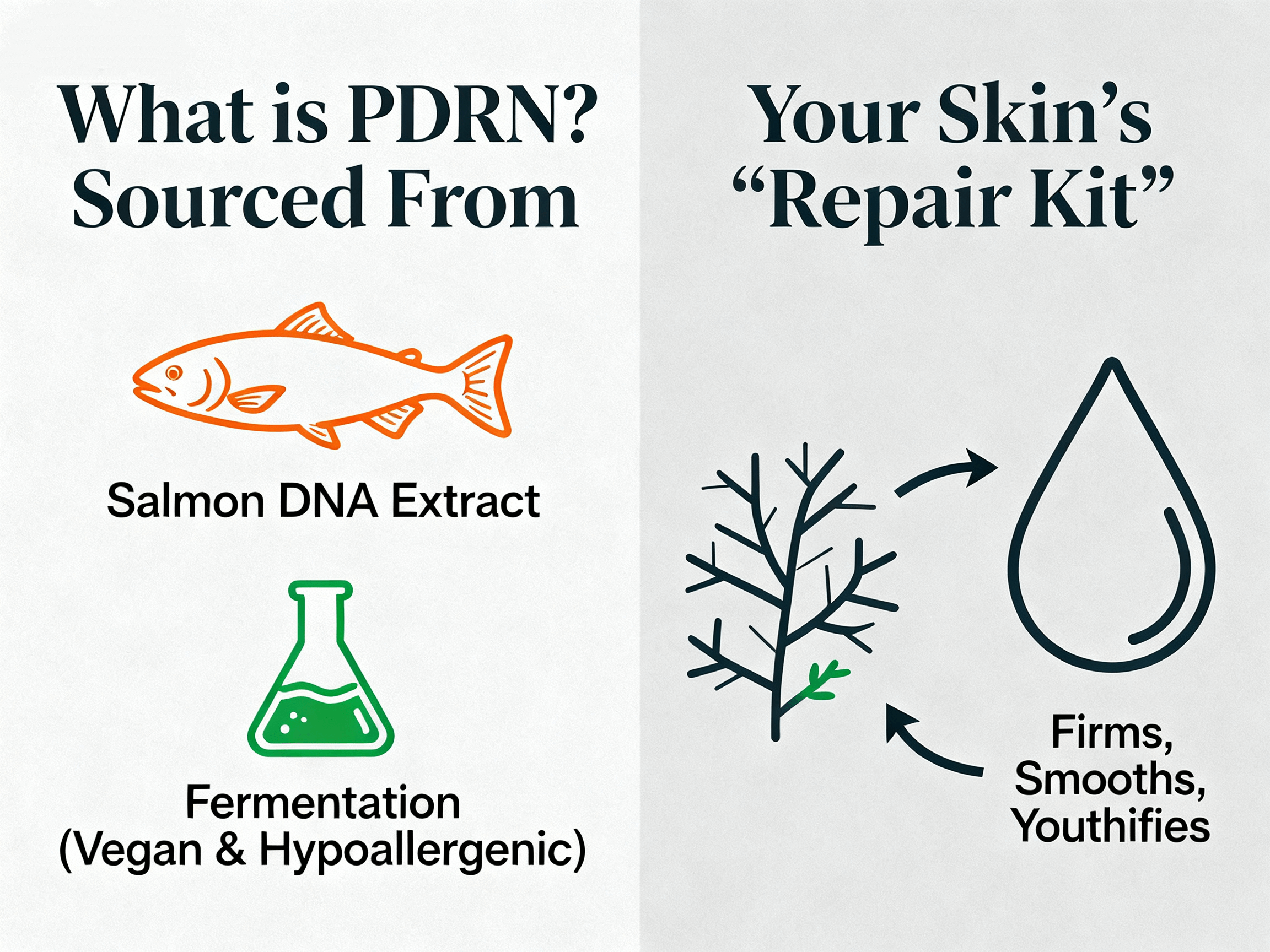
PDRN is a collection of short DNA fragments, usually extracted from salmon or produced through microbial fermentation. These fragments act as biological messengers that support cell regeneration, collagen synthesis, and tissue repair. In simple terms, PDRN works like a “skin repair kit,” helping damaged skin recover while keeping it smooth and firm.
Why Does It Matter for Anti-Aging?
Traditional anti-aging products often focus on hydration and surface-level improvements. PDRN goes further. Research shows it can:
Stimulate fibroblasts to produce more collagen and elastin, essential for firm skin.
Promote wound healing, reducing signs of skin stress and damage.
Enhance overall skin health, making it more resilient against aging factors like UV exposure and pollution.
When PDRN is paired with hyaluronic acid, the effect is even stronger. While hyaluronic acid provides deep hydration and plumpness, PDRN works at a structural level, improving elasticity and long-term skin strength.
From Clinics to Skincare Shelves
PDRN first became popular through injections used in medical aesthetics, often called “skin boosters.” Today, advancements in formulation technology allow brands to include PDRN in topical products such as serums, creams, and sheet masks. This makes regenerative skincare more accessible to consumers who prefer at-home treatments.
Why PDRN Is Trending in 2025
The skincare market is shifting from simple moisturizers to science-backed solutions. Consumers want visible, proven results rather than just luxury packaging. PDRN’s clinical background and track record of effectiveness give it credibility, making it one of the most in-demand premium ingredients for anti-aging formulations.
Choosing the Right Source of PDRN
Traditionally, PDRN is derived from salmon DNA, which is highly biocompatible. However, new fermentation-based and vegan-friendly options are now available, offering alternatives for people with allergies or ethical concerns. Each source comes with different costs and benefits, and skincare brands choose based on their product positioning.
Conclusion
PDRN is not just another beauty trend. It represents a shift toward regenerative, science-driven skincare that focuses on repairing skin at the cellular level. In 2025, whether in a serum, cream, or mask, PDRN is set to become a key ingredient for anyone seeking firmer, hydrated, and youthful-looking skin.
BLOGS

Knee osteoarthritis (KOA) is a common chronic joint disease with an increasing prevalence among older adults, severely impacting quality of life. Sodium hyaluronate (SH), as a core component of synovial fluid, is a key drug in KOA treatment. However, different molecular weights of SH exhibit significant differences in efficacy and mechanism of action, directly affecting treatment options. This article focuses on interpreting its differentiating effects to provide a reference for clinical application. [Reference Interpretation: Figure 1]

Is Hyaluronic Acid Ingredient Good for Acne? Safe Hydration for Breakout-Prone Skin
Learn whether hyaluronic acid is good for acne-prone skin, if it clogs pores, how it supports the skin barrier, and how to pair it with retinoids, niacinamide, and BHA—plus routine tips and FAQs.

Will Sodium Hyaluronate Clog Pores?
Will sodium hyaluronate clog pores? Learn why it’s usually non-comedogenic, what causes breakouts in HA products, and how acne-prone skin can use it correctly—plus why high-quality manufacturing standards matter.

Sodium Hyaluronate in Lipstick: Hydration Hero or Marketing Hype?
Hyaluronic Acid Lipstick: hydration hero or hype? Learn why water-soluble sodium hyaluronate struggles in waxy lipsticks—and how oil-dispersible HA can actually help.

Can Low Molecular Weight Sodium Hyaluronate Really Penetrate the Skin?
Can low molecular weight sodium hyaluronate penetrate the skin? This science-based guide explains how molecular weight affects skin interaction, hydration, and epidermal penetration.

What is Sodium Hyaluronate Crosspolymer?
Discover what Sodium Hyaluronate Crosspolymer is and why skincare brands are increasingly using this advanced form of hyaluronic acid. Learn how it’s made, how it compares with regular HA, its long-lasting moisturizing benefits, and how to choose a reliable manufacturer like Focusfreda for high-quality Sodium Hyaluronate Crosspolymer.