


The Future of Nail Care: Sodium Hyaluronate for Stronger, Healthier Nails
Release time:
2025-09-22
Think of sodium hyaluronate as a “water magnet.” It’s the form of hyaluronic acid that can hold huge amounts of water compared to its weight. Most people know it from skincare serums that keep skin soft and plump, but now it’s finding a new stage: nail care.
First, let’s figure out: What exactly is hyaluronic acid?
You can think of it as a "natural moisture-storing sponge" for your skin. It can hold 1000 times its own weight in moisture on your skin—that’s why you’ll find it in many skincare products (like serums and face masks).
Why Add It to Nail Products?
If you’ve ever felt your nails peel, chip, or get too dry after nail polish, you’re not alone. Many traditional formulas use strong solvents that can make nails brittle. By adding sodium hyaluronate, brands are trying to:
Lock in hydration for nails and cuticles
Make nails less likely to crack or split
Keep nails smoother and shinier
It’s like giving your nails their own moisturizer, right inside your polish or base coat.
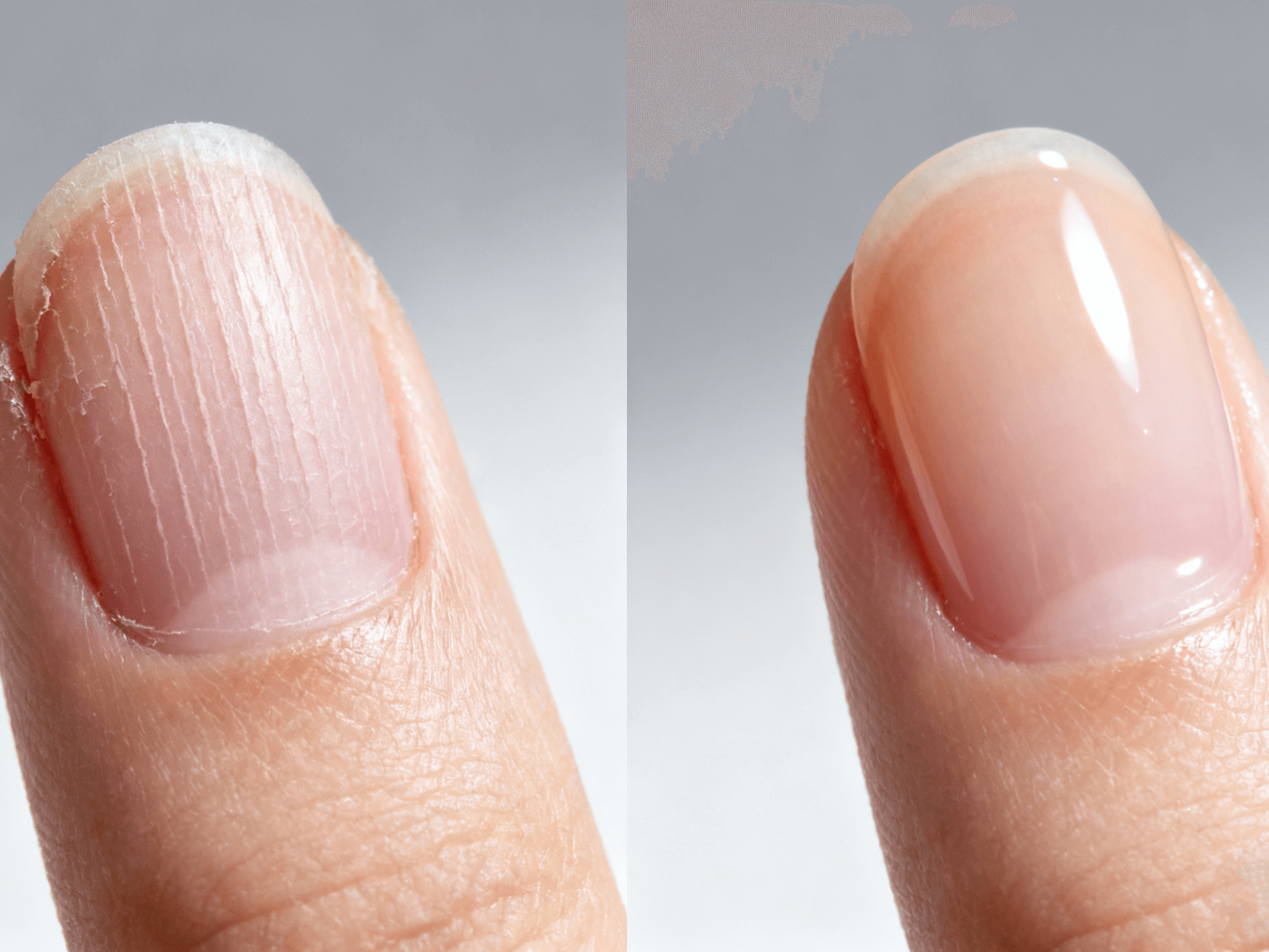
Where Is It Used?
More and more companies are putting sodium hyaluronate into base coats, strengthening treatments, and even water-based nail polishes. The idea is simple: nails shouldn’t just look pretty, they should stay healthy too. This shows a shift in the industry from “just color” to “color + care.”
The Bigger Picture
The nail care market is growing fast. People now want products that are not only safe and eco-friendly but also do something extra for nail health. Sodium hyaluronate fits perfectly because it’s well-known, trusted, and actually works. It turns nail products into a blend of beauty and treatment.
Conclusion
Your nails, just like your skin, need moisture and protection. Sodium hyaluronate helps bridge the gap between polish and care, making nails stronger, healthier, and more hydrated.
At Focusfreda, we provide high-quality sodium hyaluronate raw materials for global customers, covering a full molecular weight range from 400 Da up to 3 Million Da. With this expertise, we support the development of innovative nail and beauty products worldwide.
BLOGS

Knee osteoarthritis (KOA) is a common chronic joint disease with an increasing prevalence among older adults, severely impacting quality of life. Sodium hyaluronate (SH), as a core component of synovial fluid, is a key drug in KOA treatment. However, different molecular weights of SH exhibit significant differences in efficacy and mechanism of action, directly affecting treatment options. This article focuses on interpreting its differentiating effects to provide a reference for clinical application. [Reference Interpretation: Figure 1]

Is Hyaluronic Acid Ingredient Good for Acne? Safe Hydration for Breakout-Prone Skin
Learn whether hyaluronic acid is good for acne-prone skin, if it clogs pores, how it supports the skin barrier, and how to pair it with retinoids, niacinamide, and BHA—plus routine tips and FAQs.

Will Sodium Hyaluronate Clog Pores?
Will sodium hyaluronate clog pores? Learn why it’s usually non-comedogenic, what causes breakouts in HA products, and how acne-prone skin can use it correctly—plus why high-quality manufacturing standards matter.

Sodium Hyaluronate in Lipstick: Hydration Hero or Marketing Hype?
Hyaluronic Acid Lipstick: hydration hero or hype? Learn why water-soluble sodium hyaluronate struggles in waxy lipsticks—and how oil-dispersible HA can actually help.

Can Low Molecular Weight Sodium Hyaluronate Really Penetrate the Skin?
Can low molecular weight sodium hyaluronate penetrate the skin? This science-based guide explains how molecular weight affects skin interaction, hydration, and epidermal penetration.

What is Sodium Hyaluronate Crosspolymer?
Discover what Sodium Hyaluronate Crosspolymer is and why skincare brands are increasingly using this advanced form of hyaluronic acid. Learn how it’s made, how it compares with regular HA, its long-lasting moisturizing benefits, and how to choose a reliable manufacturer like Focusfreda for high-quality Sodium Hyaluronate Crosspolymer.