


Why Are There So Many Supplement Formats?
Release time:
2025-05-13
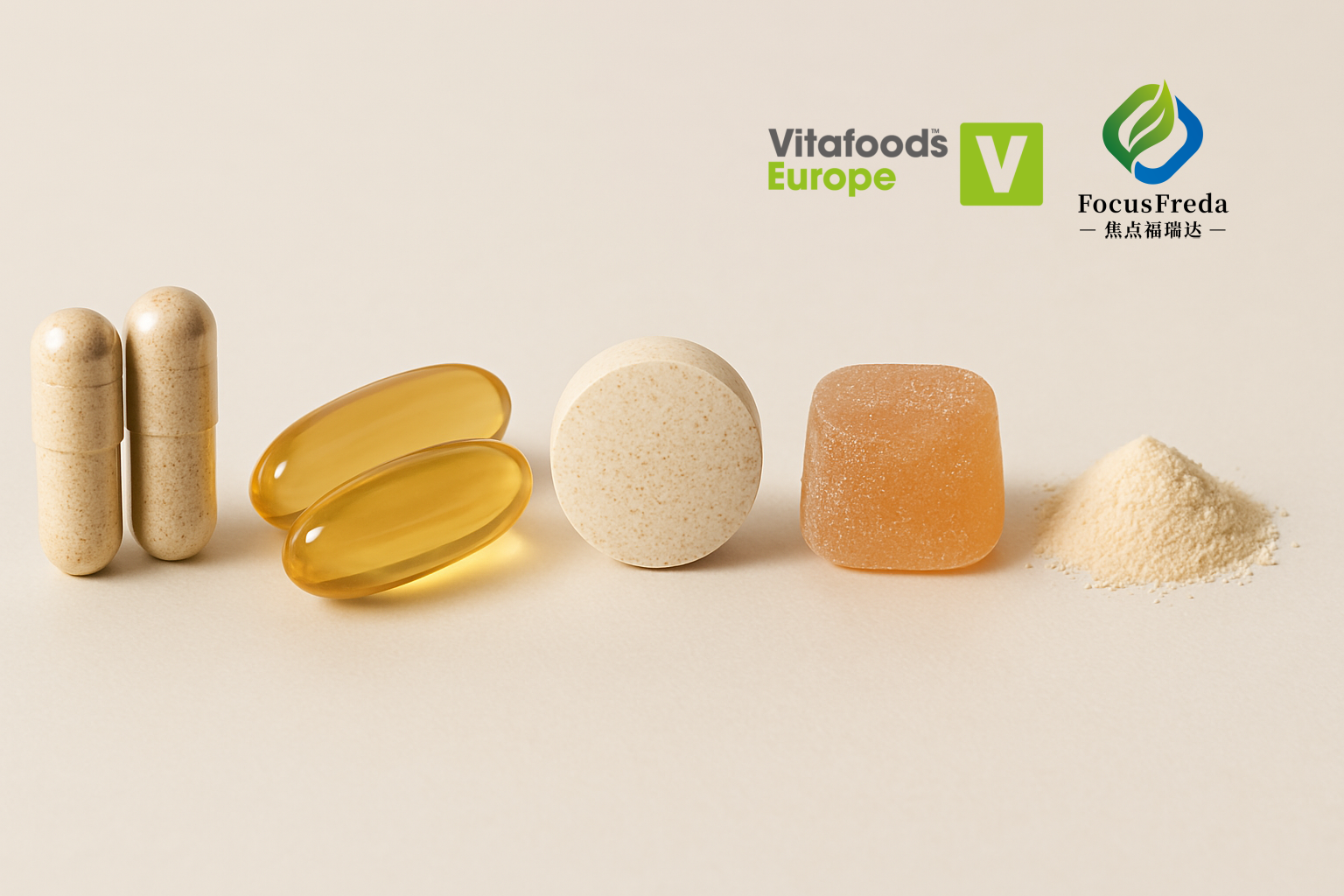
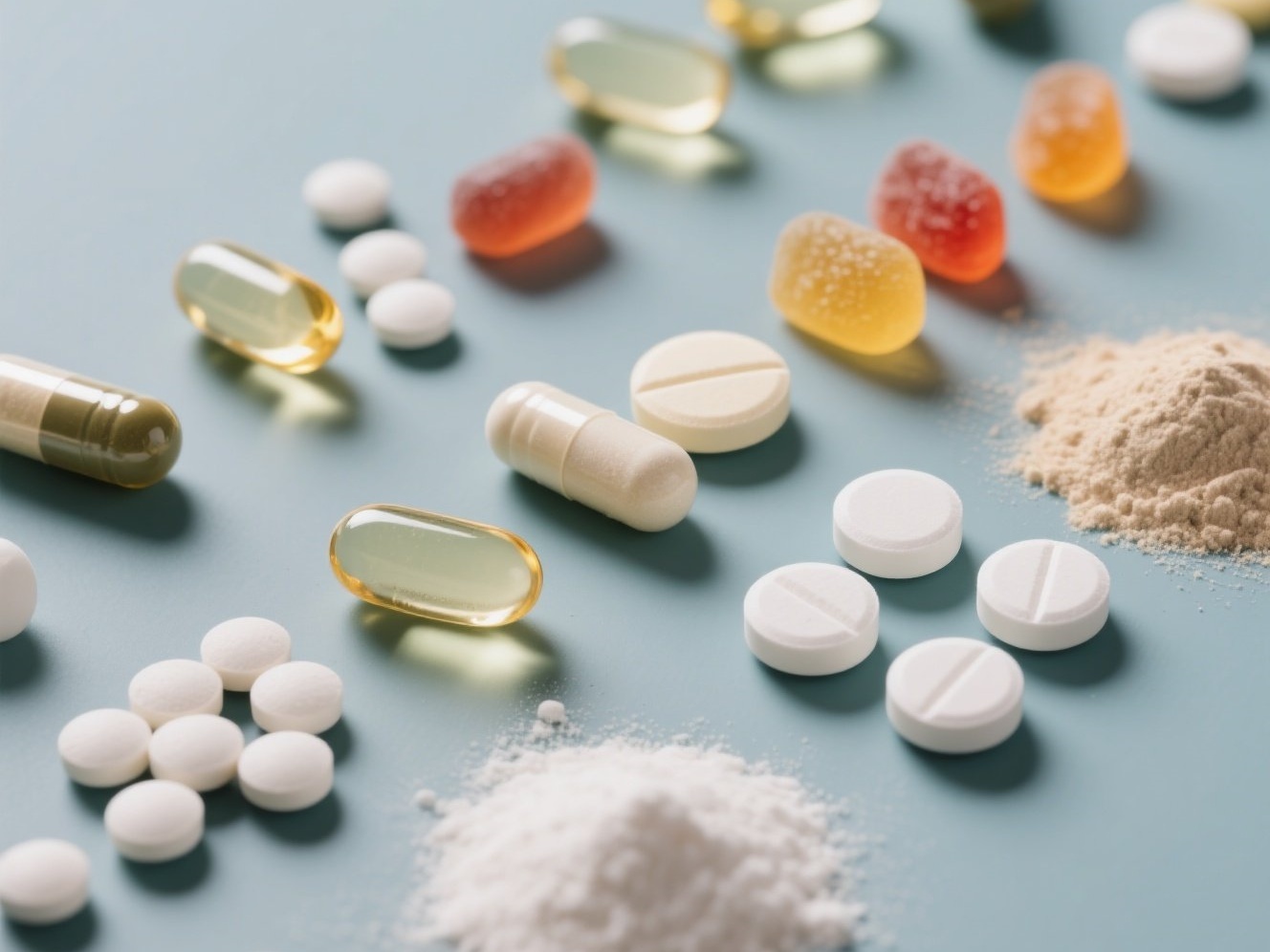
When you walk into a pharmacy or scroll through a wellness website, you’ll notice one thing: supplements come inall shapes and sizes. Capsules, tablets, gummies, powders, drinks, softgels… it’s like a vitamin candy shop!
But have you ever wondered:Why so many formats? Isn’t one enough?
Let’s break it down — with science, of course.
1. Different Ingredients Need Different Environments
Some supplement ingredients are super sensitive.
For example:
Probiotics need to avoid heat and moisture, so they’re often packed in capsules or special dry sachets.
Fish oil smells terrible if you chew it — that’s why it’s hidden in softgels (and your nose says thanks).
Each ingredient has a “best friend” format that helps it stay stable, effective, and easy to take.
2. Your Body Absorbs Things Differently
Formats can affect how fast or how well your body absorbs nutrients:
Liquids and powders absorb faster — great for post-workout drinks.
Slow-release tablets work over hours — perfect for all-day energy.
This is called bioavailability — and scientists design the form to match the goal.
3. People Like Different Things
Not everyone likes swallowing pills.
Kids? Give them gummies.
Athletes? They’ll go for protein powders.
Busy adults? Maybe effervescent tablets in water.
The more options, the easier it is for people to stick with healthy habits.
4. The Magic of OEM Factories
OEM (Original Equipment Manufacturer) factories — like those at Focusfreda — make it possible to offer so many forms. With advanced equipment and strict safety standards, we can produce capsules, gels, jellies, and evenedible strips.
It's not just about making supplements — it’s about customizing them for brands, lifestyles, and health goals.
Final Thought
Supplement formats aren’t just about looks — they’re backed by science, tech, and user needs. So next time you pick a gummy over a pill, remember: there’s a reason behind the choice — and a whole lab of scientists who made it work.
P.S. Focusfreda offers dozens of high-quality supplement formats with functional ingredients like Tremella polysaccharide, collagen, and hyaluronic acid — helping wellness brands innovate with science you can taste.
Sample session: Vitafoods Europe 2025, May 20-22, Barcelona, Spain, booth 3A94

BLOGS

Will Sodium Hyaluronate Clog Pores?
Will sodium hyaluronate clog pores? Learn why it’s usually non-comedogenic, what causes breakouts in HA products, and how acne-prone skin can use it correctly—plus why high-quality manufacturing standards matter.

Sodium Hyaluronate in Lipstick: Hydration Hero or Marketing Hype?
Hyaluronic Acid Lipstick: hydration hero or hype? Learn why water-soluble sodium hyaluronate struggles in waxy lipsticks—and how oil-dispersible HA can actually help.

Can Low Molecular Weight Sodium Hyaluronate Really Penetrate the Skin?
Can low molecular weight sodium hyaluronate penetrate the skin? This science-based guide explains how molecular weight affects skin interaction, hydration, and epidermal penetration.

What is Sodium Hyaluronate Crosspolymer?
Discover what Sodium Hyaluronate Crosspolymer is and why skincare brands are increasingly using this advanced form of hyaluronic acid. Learn how it’s made, how it compares with regular HA, its long-lasting moisturizing benefits, and how to choose a reliable manufacturer like Focusfreda for high-quality Sodium Hyaluronate Crosspolymer.

Which Major Brands Use Hyaluronic Acid?
Learn which mainstream skincare, cosmetic, injectable, eye care, and health supplement brands use hyaluronic acid. Explore hyaluronic acid applications, top brands, and why this versatile ingredient is so popular worldwide. Reliable products stem from safe raw materials, making the selection of hyaluronic acid raw material manufacturers crucial.

Can Sodium Hyaluronate Be Used in Pet Care Products?
With the growing demand for pets' mobility, eye health, and grooming, Sodium Hyaluronate has become a key ingredient of interest. Partnering with reliable Sodium Hyaluronate (sodium salt form of hyaluronic acid) manufacturers helps create pet health products that the market trusts.