


Can a Capsule Hydrate Your Skin? Yes—If It’s Hyaluronic Acid or Sodium Hyaluronate
Release time:
2025-08-01
When we talk about skincare, we usually think of serums, creams, or sheet masks. But what if a capsule you swallow could also help your skin stay hydrated?
Sounds surprising? Welcome to the world of oral Sodium Hyaluronate supplements, where beauty starts from the inside out.
What Is Hyaluronic Acid?
Hyaluronic acid (HA) is a natural substance found in your skin, joints, and eyes. Its main job is to retain moisture—just 1 gram of HA can hold up to 6 liters of water. That’s why it’s often called a “moisture magnet.”
In skincare products and dietary supplements, HA is often used in its sodium salt form—sodium hyaluronate. This form is more stable, water-soluble, and easier for the body to absorb.
What Happens When You Swallow It?
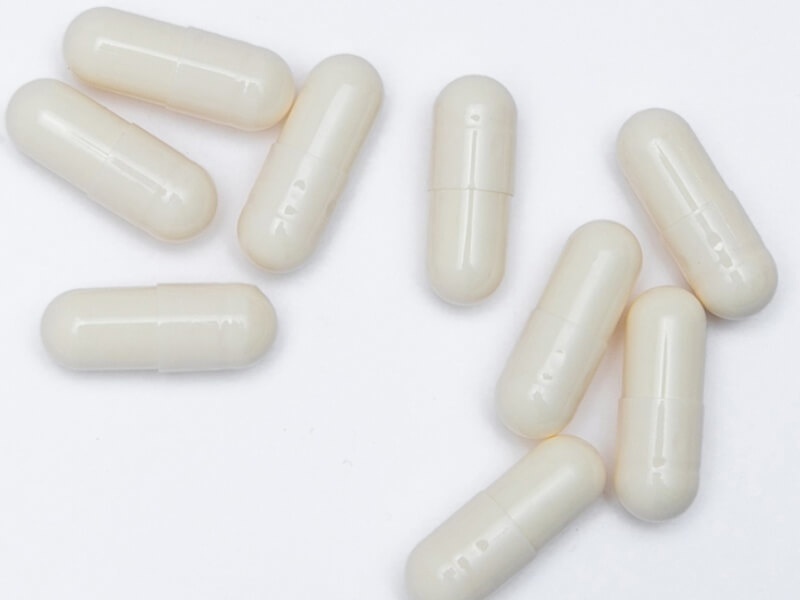
Here’s where it gets interesting. Instead of applying HA to your face, some people take it as a capsule or tablet. It travels through your digestive system and gets absorbed into your bloodstream.
What can it do from the inside?
·Help skin retain moisture
·Support joint and eye health
·Possibly stimulate collagen production
Some studies show that oral HA can enhance skin moisture and elasticity, especially with regular use.
Does Hyaluronic Acid Capsules Replace Skincare?
Not exactly. Think of them as a complement, not a replacement. While topical products work on the surface, oral HA supports the deeper layers of skin and connective tissue. This approach is known as nutricosmetics—a blend of nutrition and beauty care.
What Makes a Good HA Capsule?
Not all capsules are created equal. Here’s what to look for:
Purity – Choose products made from high-quality, pharmaceutical or food grade sodium hyaluronate.
Molecular weight – Lower weights may absorb more easily.
Clinical support – Look for brands that offer clinical studies or safety data to support their claims.

Final Thoughts
Can a capsule hydrate your skin?
Yes—if it’s hyaluronic acid.
It’s a gentle, science-backed way to support your skin from the inside. Add it to your routine, drink enough water, eat healthy foods, and your skin will thank you—capsule by capsule.
BLOGS

Will Sodium Hyaluronate Clog Pores?
Will sodium hyaluronate clog pores? Learn why it’s usually non-comedogenic, what causes breakouts in HA products, and how acne-prone skin can use it correctly—plus why high-quality manufacturing standards matter.

Sodium Hyaluronate in Lipstick: Hydration Hero or Marketing Hype?
Hyaluronic Acid Lipstick: hydration hero or hype? Learn why water-soluble sodium hyaluronate struggles in waxy lipsticks—and how oil-dispersible HA can actually help.

Can Low Molecular Weight Sodium Hyaluronate Really Penetrate the Skin?
Can low molecular weight sodium hyaluronate penetrate the skin? This science-based guide explains how molecular weight affects skin interaction, hydration, and epidermal penetration.

What is Sodium Hyaluronate Crosspolymer?
Discover what Sodium Hyaluronate Crosspolymer is and why skincare brands are increasingly using this advanced form of hyaluronic acid. Learn how it’s made, how it compares with regular HA, its long-lasting moisturizing benefits, and how to choose a reliable manufacturer like Focusfreda for high-quality Sodium Hyaluronate Crosspolymer.

Which Major Brands Use Hyaluronic Acid?
Learn which mainstream skincare, cosmetic, injectable, eye care, and health supplement brands use hyaluronic acid. Explore hyaluronic acid applications, top brands, and why this versatile ingredient is so popular worldwide. Reliable products stem from safe raw materials, making the selection of hyaluronic acid raw material manufacturers crucial.

Can Sodium Hyaluronate Be Used in Pet Care Products?
With the growing demand for pets' mobility, eye health, and grooming, Sodium Hyaluronate has become a key ingredient of interest. Partnering with reliable Sodium Hyaluronate (sodium salt form of hyaluronic acid) manufacturers helps create pet health products that the market trusts.