


Sodium Hyaluronate Enters the Textile Industry: A New Trend from Skin Care Ingredients to Wearing Experience
Release time:
2025-07-18
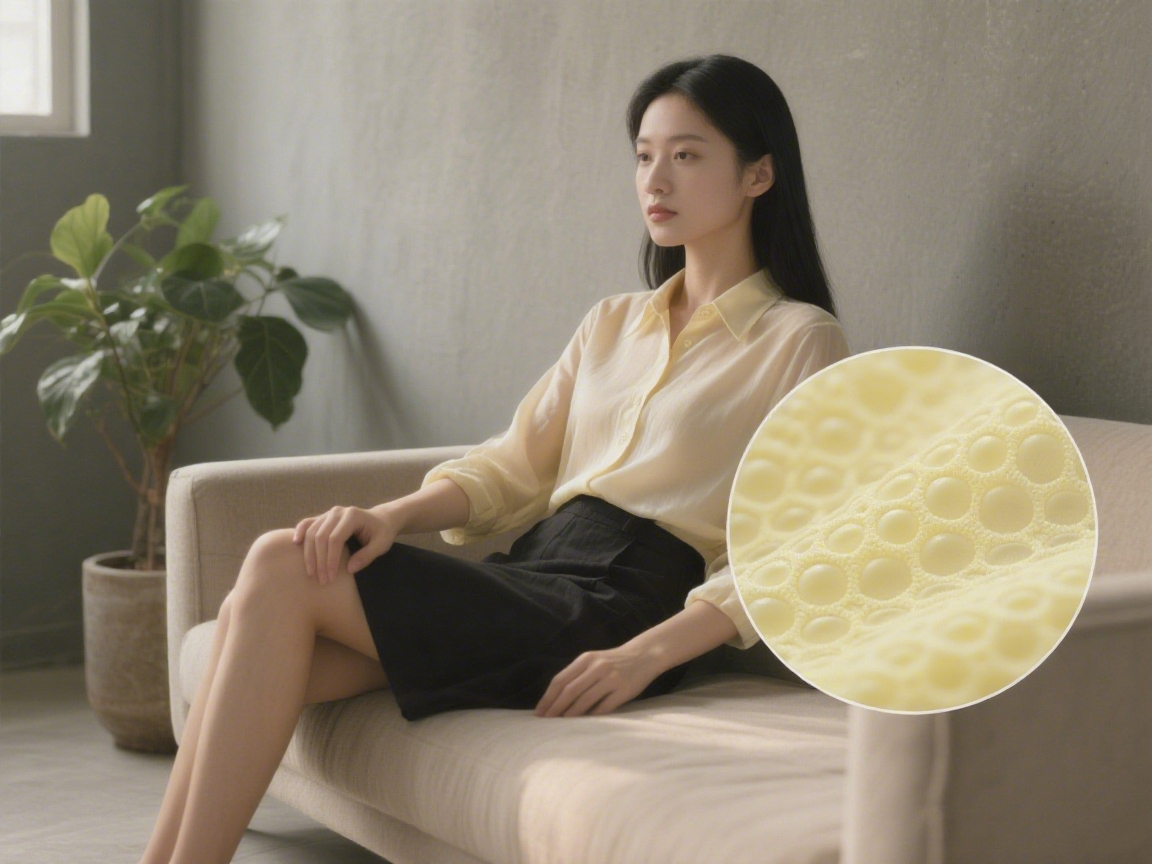
Have you ever thought that the clothes we wear in the future will not only be comfortable and beautiful, but also "replenish moisture" to the skin like skin care products? This is not a fantasy. An ingredient called sodium hyaluronate is quietly entering the textile industry to bring skin care effects to clothes.
What is sodium hyaluronate?
Sodium hyaluronate is a natural moisturizing ingredient and a salt form of hyaluronic acid. It is widely used in skin care products, eye drops and health foods. Its molecules can absorb a lot of water, just like a "sponge", helping the skin stay hydrated.
Now, scientists have found that adding this ingredient to clothes can also improve wearing comfort and give the skin a moist and soft feeling.
Is it really used in clothes?
Yes, sodium hyaluronate has begun to be used by some clothing brands, although the scale is not large at present, mainly focusing on the following aspects:
Some brands have launched "skin care clothes"
In Japan, South Korea and China, some brands have launched pajamas, underwear and baby clothes containing sodium hyaluronate. For example, "hyaluronic acid pajamas", "moisturizing bedding", "skin care underwear" and other products have begun to appear on the market.

How to add sodium hyaluronate to clothes?
The most common method is: after the clothes are made, spray sodium hyaluronate on the fabric by coating or microcapsule. In this way, it can stick to the surface of the fabric and play a moisturizing role when worn.
Some scientific research units are also studying the addition of sodium hyaluronate to yarn, so that the function of clothes will not disappear easily after many washings. But this technology is still under development and has not been widely used.
What are the benefits of this "skin care clothes"?
Moisturizing and skin-friendly: It can relieve dry skin and make clothes more comfortable to wear.
Gentle and safe: Sodium hyaluronate is a natural ingredient, very friendly to the skin, suitable for sensitive skin, babies, etc.
Environmental protection concept: it can be naturally degraded, which is in line with the current trend of green environmental protection.
A fashionable experience with a sense of technology: not only does it look good, but it can also "skin care", which is a new concept of dressing.

But there are also some challenges
Of course, the application of sodium hyaluronate in clothes is not particularly mature, and there are still some problems:
The function becomes weaker after washing a few times: the moisturizing effect of many products will weaken after washing;
High cost: it is more expensive than ordinary fabric additives;
The public does not understand this concept yet: many people have not heard of "skin care clothes", and it will take time to promote it;
Lack of unified standards: the industry has not yet formulated unified specifications for "skin care textiles".
What is the future development potential?
Although there are not many clothes using sodium hyaluronate now, with the development of science and technology and changes in consumer demand, this kind of "skin care clothes" may become more and more popular. The key directions in the future include:
Develop more stable and washable sodium hyaluronate ingredients;
Combine with natural materials (such as cotton and Tencel) to make more comfortable skin care clothes;
Strengthen consumer education so that more people can accept the concept of "wearing can also protect the skin".
Summary
Sodium hyaluronate has "entered" clothes from skin care products, which is a typical example of the combination of material science and lifestyle. Although its application is still in its early stages, it may bring a new dressing experience in the future.
For textile factories, brands or scientists, this is a new trend worth paying attention to. For ordinary consumers like us, wearing clothes that "look like skin care products" may soon become a reality.
If you are interested in material science, green fashion, and functional textiles, sodium hyaluronate is a topic that is worth a deep understanding!
BLOGS

Knee osteoarthritis (KOA) is a common chronic joint disease with an increasing prevalence among older adults, severely impacting quality of life. Sodium hyaluronate (SH), as a core component of synovial fluid, is a key drug in KOA treatment. However, different molecular weights of SH exhibit significant differences in efficacy and mechanism of action, directly affecting treatment options. This article focuses on interpreting its differentiating effects to provide a reference for clinical application. [Reference Interpretation: Figure 1]

Is Hyaluronic Acid Ingredient Good for Acne? Safe Hydration for Breakout-Prone Skin
Learn whether hyaluronic acid is good for acne-prone skin, if it clogs pores, how it supports the skin barrier, and how to pair it with retinoids, niacinamide, and BHA—plus routine tips and FAQs.

Will Sodium Hyaluronate Clog Pores?
Will sodium hyaluronate clog pores? Learn why it’s usually non-comedogenic, what causes breakouts in HA products, and how acne-prone skin can use it correctly—plus why high-quality manufacturing standards matter.

Sodium Hyaluronate in Lipstick: Hydration Hero or Marketing Hype?
Hyaluronic Acid Lipstick: hydration hero or hype? Learn why water-soluble sodium hyaluronate struggles in waxy lipsticks—and how oil-dispersible HA can actually help.

Can Low Molecular Weight Sodium Hyaluronate Really Penetrate the Skin?
Can low molecular weight sodium hyaluronate penetrate the skin? This science-based guide explains how molecular weight affects skin interaction, hydration, and epidermal penetration.

What is Sodium Hyaluronate Crosspolymer?
Discover what Sodium Hyaluronate Crosspolymer is and why skincare brands are increasingly using this advanced form of hyaluronic acid. Learn how it’s made, how it compares with regular HA, its long-lasting moisturizing benefits, and how to choose a reliable manufacturer like Focusfreda for high-quality Sodium Hyaluronate Crosspolymer.